



Digital investment platforms have done more than make trading convenient; they’ve made it possible for everyone. Now, this might not seem like such a big deal because it’s become the norm today, but when we look back at how these systems operated decades ago, it’s pretty clear how far we’ve come regarding everyday investments. In earlier decades, access often meant being advised by professionals or using traditional fund vehicles; direct access, online platforms, and paper trading weren’t available. With online tools and platforms today, we see more people buying and selling, trading as a side hustle or full-time role, and building wealth in the comfort of their homes. This piece focuses on how these platforms enable this new reality.
Financial Education
Investing used to be more of an insider’s game. The entry cost was high, it was filled with complex jargon that the everyday person struggled to understand, and many trading platforms were handled exclusively, some even only accessible to institutions. This complexity is one of the reasons online trading platforms are gaining popularity today. The first and most basic step in exploring financial investments is education, which has become much easier with the help of online tools today. Platforms like TradingView and MetaTrader offer free online resources for beginner traders. Anyone with an internet connection can access the basics, from understanding price charts to testing strategies. These platforms also use interactivity to promote learning. Investors get visual dashboards to understand portfolio performance and risk exposure, and charting tools that show trends and price movements, making it easier to grasp basic trading concepts.
Risk-Free Practice Through Demo Trading
On top of the barriers to investment, one of the biggest is the risk. Learning by trial and error meant losing real money, which isn’t ideal for gaining experience. Demo trading began gaining popularity in the 2000s and was offered by brokers as online trading became widespread. This update changed so much for investors because it makes it easy for people to learn the ropes of trading without risking their capital. This feature helps users to simulate trades with virtual money, test strategies, and analyse outcomes without risking real capital. It’s the perfect system for a beginner.
Easy Access and Affordability
What’s the point of online trading platforms if they’re overpriced and inaccessible to the everyday person? Thankfully, that’s no longer the case. The popularity of online investing tools has made access to financial education and trading resources more affordable than ever before. In fact, competition among platforms has been one of the most significant forces driving this change. Many digital platforms now offer low-cost or even free access to core features such as real-time market data, charting tools, and more. Many, like TradingView, provide generous free plans that let beginners explore the basic features before upgrading, with optional paid plans and free trials for more advanced options.
Charting and Real-time Data
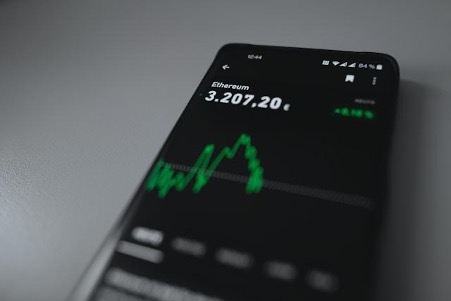
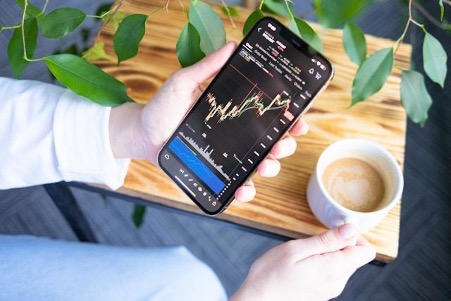
Charting and real-time data are the backbone of modern investing. Every investor, whether a beginner exploring trends or a veteran looking to fine-tune their strategies, relies on these tools to understand what’s happening in the market and how it affects their investments. Online trading and charting platforms give users instant access to real-time price updates, allowing them to see how markets move in response to news, earnings reports, and global events. Interactive charting tools enable users to visualise market behaviour, draw trendlines, apply technical indicators, and spot patterns with a few clicks. This is a massive win because in the past, retail investors had to do most of these things using third-party, expensive tools that also took longer to process. This kind of innovation makes all the difference for new investors because it increases their speed and accuracy regarding profitability.
Technical and Fundamental Analysis
When it comes to understanding how and why the market works, charting tools aren't all there is to it. Both technical and fundamental analysis play a part in it. Technical analysis focuses on price movements and trading patterns that help users predict future price behaviour based on historical data. Most modern platforms make this process accessible without needing to install complex software. On the other hand, fundamental analysis examines factors such as company earnings, financial statements, economic reports, and other market news relevant to traders' investments. Both tools work hand in hand to analyse the market and make more informed trading decisions.
Democratising Investing One Platform At A Time
Technology and online platforms level the playing field for everyday people looking to benefit from financial market opportunities. They are also making investing education available to everyone, not just professionals. This development benefits the world, especially when economic downturns and inflation are becoming the norm. It’s great that anyone can pick up these tools and work their way up as a trader or build a career without paying hefty sums for learning or access to the appropriate software.