



Purchasing a used car has always carried some level of risk. From a dubious past history, including accidents or unfinished debt, to concealed mechanical issues, the chance for an expensive error is substantial. The used car sector is changing, though. Modern technology is providing buyers with a level of information which has never been available before. So how do you get the most out of it? Let’s find out!
Why Buying a Used Car Is Safer Today Than Ever Before
The days of depending only on a seller's word and a quick test drive are passing. Buyers now have access to a number of digital tools that provide important information right in their hands. Online markets have also made it simpler to locate a large range of cars. But more importantly, they are becoming more and more linked with digital history and paperwork tools.
The overall trend toward openness is supported by a booming market of vehicle history providers that draw information from finance firms, police records, and insurance companies to offer a full picture of a car's past. These trends, combining accessible government data and specialised commercial services, represent a significant leap forward in buyer protection.
Technology Every Used Car Buyer Should Use
Whenever you are looking for a used car in the UK second-hand car market, there are a few tools you can use to help keep you safe and informed. Here are the essential technologies that should form the foundation of your research.
MOT history databases
An MOT test is an annual requirement for most cars in the UK to ensure they meet minimum roads safety and environmental standards. The history of these tests is a goldmine of information for a potential buyer. By using the official government website, you can enter a car's registration number and view its complete MOT history dating back to 2005.
This record provides a chronological timeline of the car's condition. It will show you:
- A history of failures can highlight recurring or significant issues.
- You will also find the so-called advisory notices, which can let you know of potential issues with the car in question. These notices might mention worn tyres or an oil leak that was not bad enough to warrant an MOT failure, but still important to mention. If these keep occurring on multiple MOT reports, the owner probably didn’t take good care of the car.
- Overall mileage progression, which is one of the most important features. The MOT history records the mileage at each test, allowing you to spot potential mileage fraud. A sudden drop in mileage between tests is a clear red flag.
DVLA online services
Another method is to make use of the official authority for vehicle registration and driver licensing in the UK. The government-controlled Driver and Vehicle Licensing Agency, commonly referred to as DVLA, provides online services that are a crucial first step in any vehicle check. You can use them to instantly confirm a vehicle's current tax status and whether it has a valid MOT. If you use these online services, you can easily check whether the car is legally allowed to drive on the UK roads.
Vehicle history reports
While free MOT and tax checks are essential, they don't tell the whole story. A comprehensive vehicle history check (VIN check) from a trusted provider offers a much deeper dive into a car's background. These reports are the cornerstone of safe used car buying, revealing crucial information that is not available elsewhere, such as:
- Write-Off Status. If a car has been involved in a serious accident and declared a total loss by an insurer, this will be flagged.
- Outstanding Finance. If the car is still on finance, the finance company technically owns it. Buying such a car can result in it being repossessed, leaving you with no car and no money.
- Stolen Vehicle Records. A report can confirm if the car has been reported as stolen and entered into the Police National Computer.
- Ownership History. It can reveal the number of previous keepers, providing insight into how often the car has been sold.
VIN decoding tools and license plate services
VIN decoding tools can reveal factory specifications such as the exact engine type, trim level, production year, body style, and country of origin. This helps confirm whether the seller’s description matches the vehicle’s original build. It can also help flag possible identity issues, such as mismatched specifications or details that do not align with the advert.
While VIN-based checks are still common, many modern car history services also let users start with a registration number. Depending on the service and available records, it may help uncover details such as ownership history, mileage records, tax or registration status, and other information that could reveal potential problems before arranging a viewing or signing a contract.
For example, running a car history by license plate search can be a quicker starting point if the seller has not provided the VIN in the advert. Instead of entering a 17-character VIN, users can search by the plate number and then compare the results with the seller’s description to check for inconsistencies.
AI and Digital Inspections
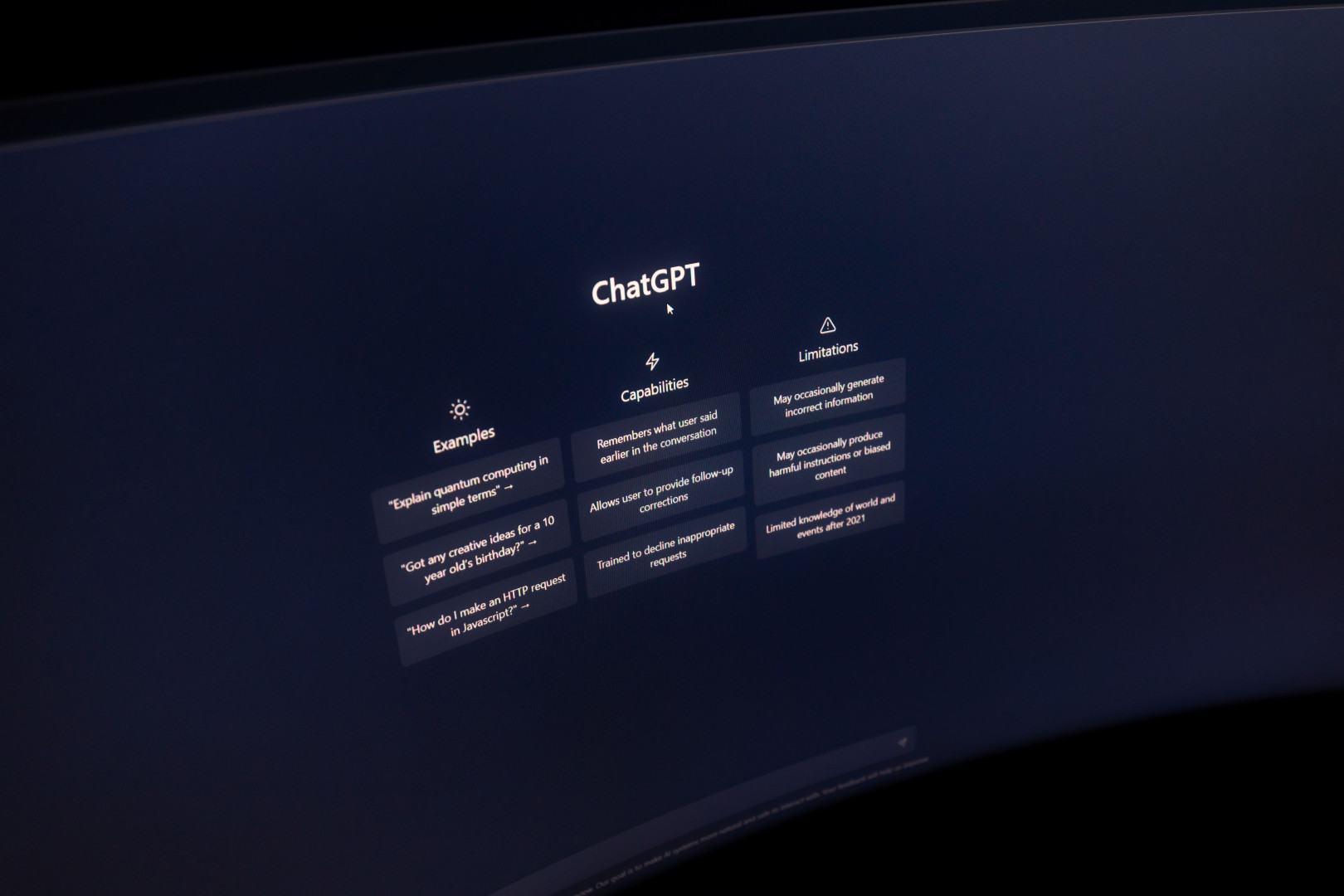
From the first inquiry to the ultimate choice, artificial intelligence is starting to be quite important in the car-buying process. Online marketplaces are using AI to simplify vehicle searching by letting consumers specify their needs using natural language.
Beyond searches, machine-learning tools is employed for online vehicle assessments, remote inspections, and image analysis. Before you even go see the car, some apps now use these digital systems to scan a car ad for possible red flags like confusing language or mileage mistakes.
Modern technology can scan for inconsistencies a human might miss and serve as an additional layer of security to assist you. Though the main advantage for consumers is the ability to investigate and check information from home, dealerships are also utilising technology to provide more transparency.
Technology Doesn't Replace a Physical Inspection
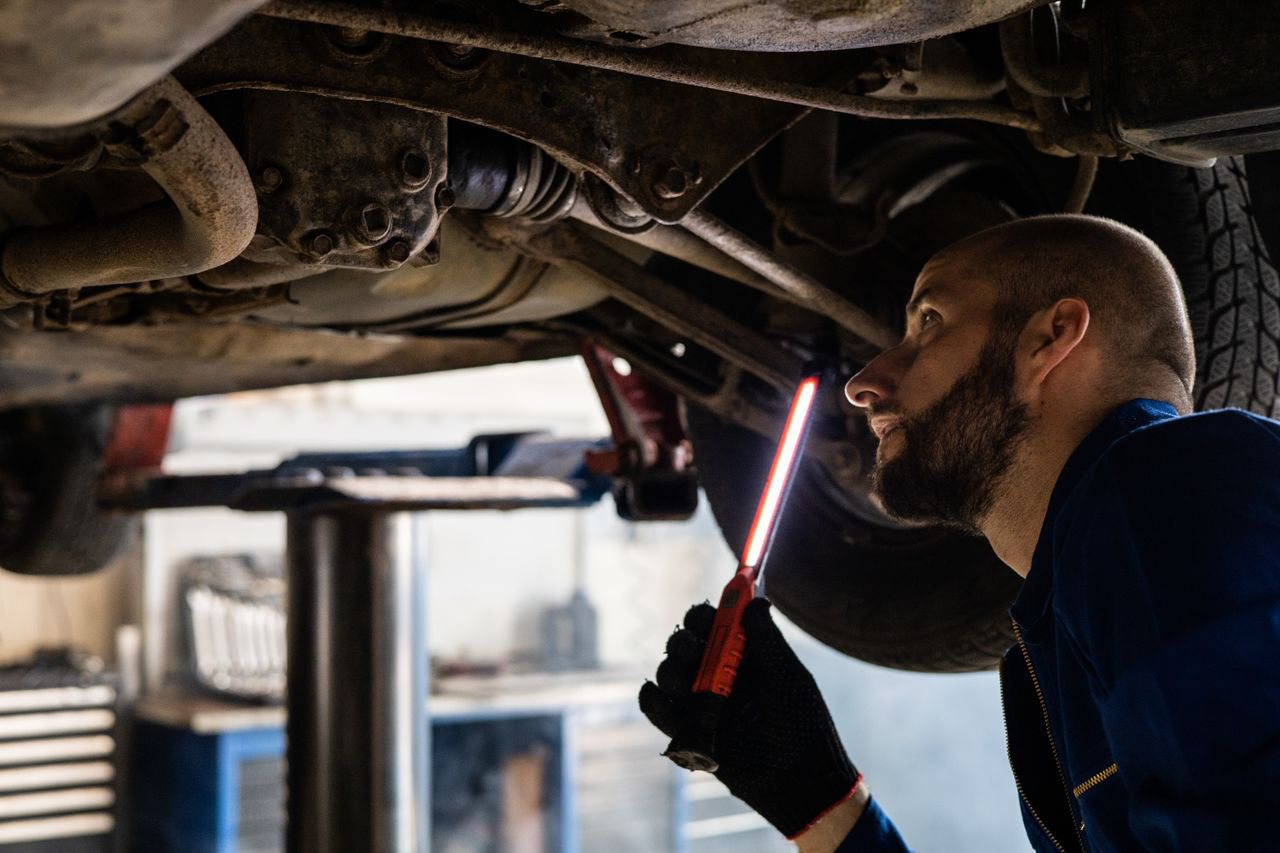
Even though we have access to an abundance of information through the Internet, technology should support rather than replace the traditional methods when making an informed decision about the purchase.
Always make sure to look for signs of car collision repair such as mismatched paint and uneven panel spacing when buying a used car. In addition, always take the car out on a test drive to see how it drives and operates.
In order to establish (or refute) signs of regular maintenance, review the physical service history book or digital data from a mechanic. And finally, for expensive cars or if you have any questions, a pre-purchase check by a competent technician is a worthwhile investment.
The Future of Used Car Buying
The trend of increasing transparency in the used car market is set to continue. Future developments will likely focus on even more connected and detailed vehicle data.
- As cars become more digital, their internal systems can provide a comprehensive digital service record that is hard to fake.
- Data from the car's computers could be used to predict future maintenance needs, giving buyers a clearer picture of potential running costs.
- The integration of data from more sources will continue, making it harder for sellers to hide a car's true history, which will give buyers greater confidence and help them make more informed decisions.
Conclusion
Technology has significantly altered the process of purchasing used cars in many different ways. Buyers may guard themselves against fraud and secret issues by using tools like MOT history databases, DVLA services, thorough vehicle history checks, and VIN decoders.
Although these online tools are quite helpful, they should support rather than replace a real check and test drive. The future promises much more clarity, therefore increasing consumer trust and safety by means of the process. Purchasing a used car is now a decision you can make with certainty rather than a leap of faith into the unknown.