


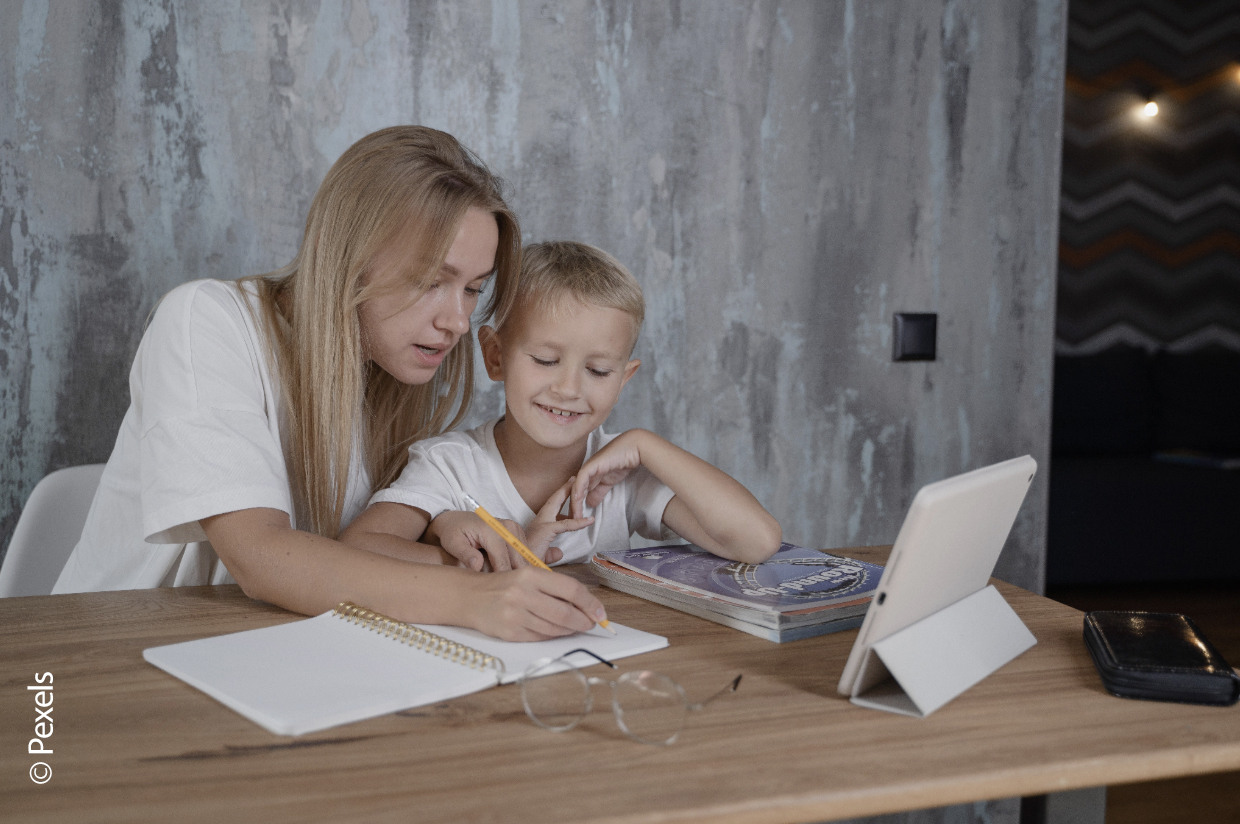

As parents, we naturally want our children to do well in school. But it's becoming clearer that their happiness and mental health are just as important. The good news is, these two goals aren't separate; in fact, they're deeply connected. When you support a child's academic growth positively, it can really boost their overall well-being. This builds confidence and resilience that will help them throughout their lives. Real success isn't just about good report cards, but about raising a happy, curious, and well-adjusted young person.
Beyond Grades: The True Value of Learning
Just focusing on exam results can create a lot of pressure, overshadowing the real joy of learning. This is why academic learning alone isn't enough. The true value of education is about sparking curiosity, developing critical thinking, and encouraging a love for discovery. When a child learns to solve a tricky maths problem or finally understands a complex scientific idea, they feel a powerful sense of accomplishment. This process teaches them that effort leads to mastery – a lesson far more valuable than any single grade. By focusing on the journey rather than just the outcome, children see learning as an exciting adventure instead of a stressful chore. This is one of the key components of student wellbeing.
Building Confidence Through Structured Study
Feeling in control and knowing what to expect can really lower a child's academic anxiety. Setting up a structured study routine gives them a clear framework, helping them feel prepared and capable. This doesn't mean a strict, exhausting schedule, but rather a consistent time and a quiet space for homework and revision. When children know what's coming, they can manage their time and energy better. For specific goals, like preparing for entrance exams, a more formal structure can be especially helpful. Specialised programmes such as Amersham 11 Plus tuition give children focused support as they develop the skills and confidence needed for the exam. Working through challenging areas step by step can make a demanding goal feel more manageable, while helping children feel more prepared and secure in their abilities.
Fostering Resilience in Young Learners
Not every test will go perfectly, and not every subject will be easy. These moments aren't failures; they're vital chances to build resilience. How a child reacts to academic setbacks tells a lot about their emotional well-being. As a parent, you can help them see these experiences in a positive light. Instead of dwelling on a poor mark, try asking questions like, "What part did you find tricky?" or "What could we try differently next time?" This approach teaches children that mistakes are a normal part of learning. It encourages a growth mindset, where they believe their abilities can improve through dedication and hard work, helping them bounce back from challenges with more determination.
The Parent's Role in a Supportive Environment
Your attitude towards your child's education deeply affects their wellbeing. Creating a supportive home environment goes beyond just providing a desk and good lighting. It means showing genuine interest in what they're learning, celebrating their effort as much as their achievements, and being a source of encouragement when they struggle. You can support children's academic and emotional growth by keeping communication open and non-judgmental. Ask about their day, listen to their frustrations without immediately jumping in with solutions, and let them know that your love is unconditional and not tied to their academic performance. This emotional safety net gives them the confidence to take intellectual risks.
Choosing the Right Academic Path
Every child has unique strengths, interests, and ways of learning. Supporting their wellbeing means helping them find an academic path that fits who they are, rather than pushing them towards a pre-set idea of success. Pay attention to the subjects that light them up and the activities they naturally gravitate towards. Encouraging these passions helps build inner motivation, making learning feel less like a chore and more like a personal pursuit. This might mean exploring extracurricular clubs, visiting museums, or simply providing books and resources on topics they love. When children feel that their academic journey reflects their own identity and choices, they're more likely to be engaged, motivated, and ultimately, happier.
Ultimately, by shifting our focus from just academic achievement to a more balanced view of personal growth, we can help our children truly thrive. A confident, resilient, and curious child is not only better prepared for school but for all the challenges and adventures life has in store.