
Research by the Association of Leading Visitor Attractions (ALVA) found that Oxford has smashed the national average for tourism.
The figures, released in 2026, show that Oxford showed a year-on-year increase of 7% last year, compared to the average increase of international tourism by 2%. This means that Oxford's tourism industry has grown quicker than the national average for three years in a row.
University Ties
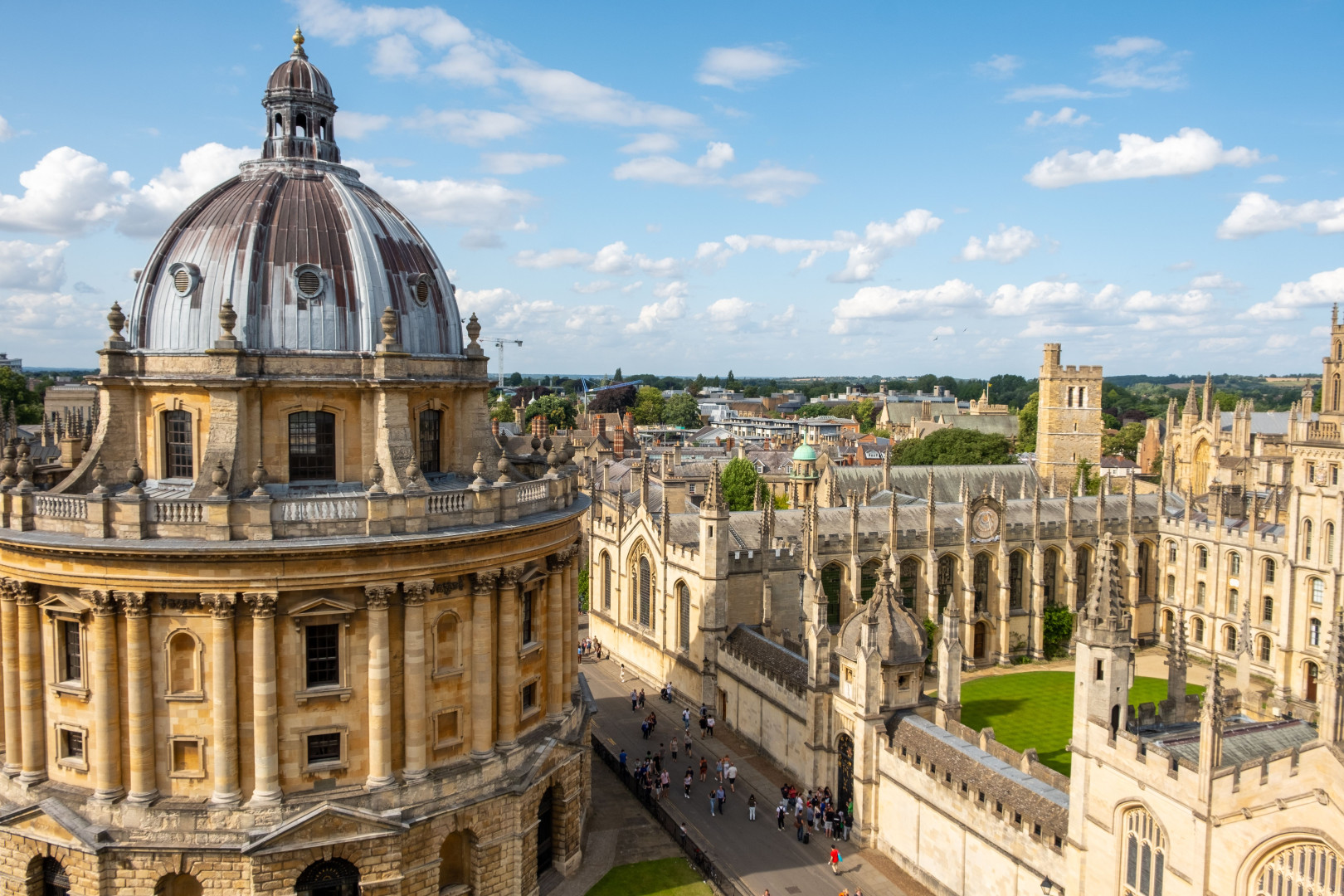
Oxford naturally owes a lot of its tourism to its prestigious university. In 2025, Oxford University played host to a record number of tourists in its gardens, museums, and libraries, amounting to a whopping 3.8 million.
Taking the lead out of these buildings was the Ashmolean Museum, which skyrocketed into being labelled the most visited Oxfordshire attraction in the same year, going above one million visitors for the first time since its redevelopment.
But this sustained increase in tourism cannot just be attributed to the university. Oxford's tourism has seen some brilliant promotional strategies that have arguably allowed for these record-breaking visitor numbers.
Oxford's Clever Promotional Strategies
Targeting certain times of the day, week, month, or year to either capitalise on high interest, encourage visits in quiet periods, or control footfall is a tried-and-tested promotional technique seen in many industries.
For example, entertainment brands like Sky and NowTV offer cashback offers or discounts during Black Friday and Cyber Monday sales, converting leads at the start of the holiday shopping season. Elsewhere, iGamers can find a variety of casino promotions, such as mystery prizes, bonus rounds, free spins offers that reset daily and spin-to-win offers on weekly leaderboards, allowing users to interact and engage with content more efficiently.
The same technique is seen in tourism, but often with broader timescales and less varied promotions. For instance, National Rail offers off-peak train tickets after 9-10 am every day, whilst English Heritage offers peak, standard, and off-peak pricing at some sites throughout the year, providing discounted tickets for visiting during late autumn, winter, and early spring.
One potential explanation for Oxford's tourism success was Experience Oxfordshire's 'Escape to Oxford' campaign. Launched in 2022 to encourage domestic visitors and support tourism recovery, the campaign targeted 25-44-year-olds without children, promoting short breaks, days out, and outdoor experiences.
This combined the proven promotional techniques of similar tourism promotions but with the targeted specificity you'd more commonly see from TV, streaming, or online casino promotions. As many of the experiences were delivered digitally, this also allowed tourists to interact with content and engage with locations more immersively.
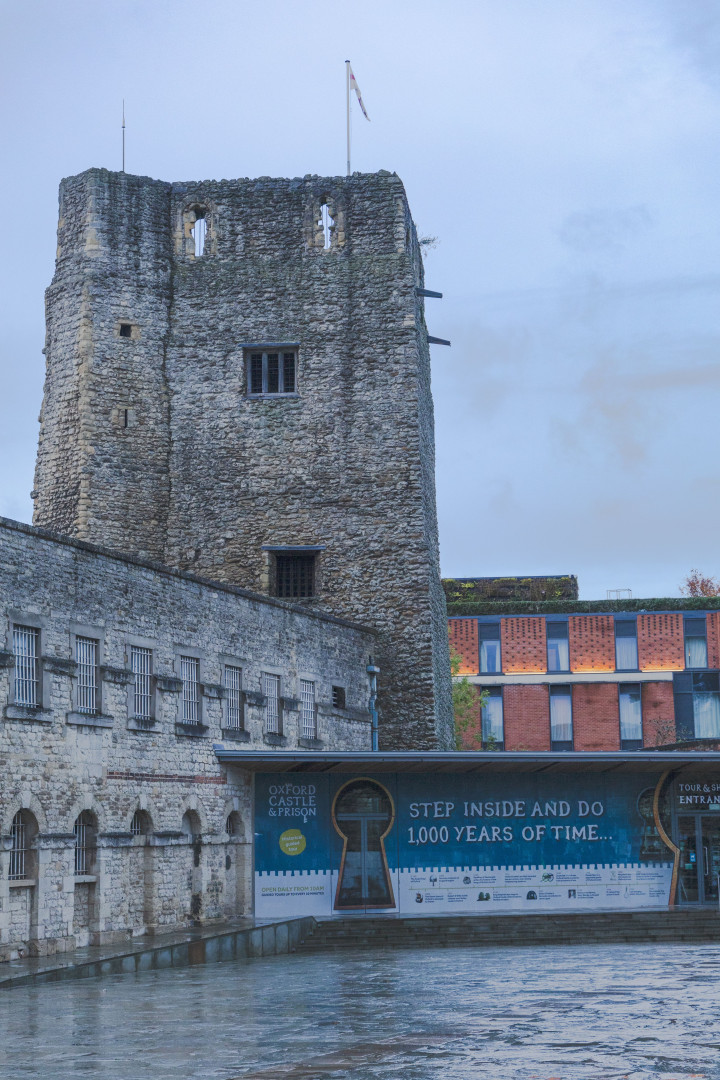
Today, Oxford doesn't just focus on bringing in tourists from elsewhere; it also encourages local tourism. The Oxfordshire Resident Sunday campaign provides anyone living in Oxfordshire with a 20% discount using the code OXONSUNDAY20 at attractions like Oxford Castle and Prison.
Again, this allows visitors to engage with attractions more efficiently and in a more personalised manner, capitalising on an audience already interested in their local history, whilst also promoting tourism throughout the year on a quieter day of the week.
Overall, whilst Oxford's booming tourism success has clear links to its world-famous university, its sustained tourism throughout difficult years, cooler seasons, and quieter days can be attributed to the region's clever marketing ploys. And with that, we'll just have to see whether 2026 will be the fourth average-beating year for the area.