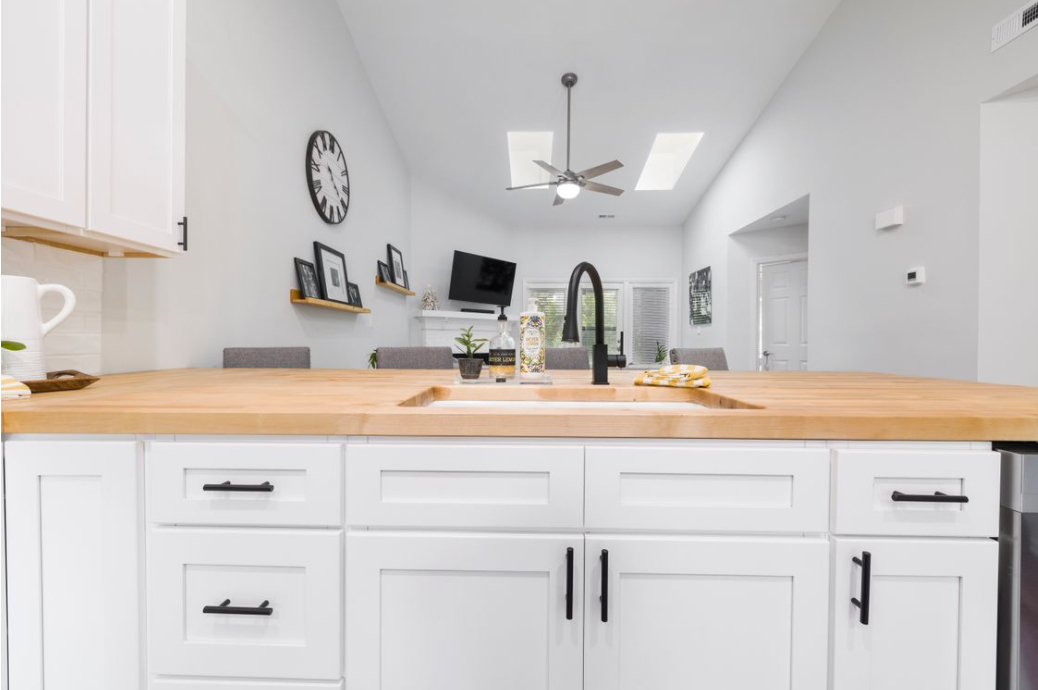

As energy bills and daily living costs rise, many homeowners are considering ways to reduce long-term costs without major improvements. The good news is you do not need enormous, disruptive changes to make a real financial difference. Minor planned upgrades can systematically cut utility expenses, avoid unnecessary repairs, and enhance efficiency. Over time, these changes will add up, helping you save money and keep your home running smoothly and reliably.
Why Small Home Improvements Matter
Minor home interventions can bring more long-term benefits than costly renovations because they focus on efficiency, prevention, and cost reduction over time. Instead of large upfront spending, these incremental upgrades help you use your home better, leading to measurable savings and reducing unnecessary stress on household systems.
Lower Utility Bills Over Time
Even small efficiency improvements can noticeably reduce monthly costs. Over time, these minor adjustments add up to frequent savings on electricity, heating, and water bills without major lifestyle changes.
Reduced Repair and Maintenance Costs
Preventative improvements allow managing minor problems before costly failures occur. Homeowners save time and money on repairs by reducing the load on main circuits and extending the intervals between major maintenance for major appliances.
Improved Home Efficiency
Better-performing systems naturally use less energy and water. More efficient appliances, heating systems, and fixtures can run the whole home more economically, provide greater comfort, and reduce resource use over time.
Energy Efficiency Upgrades That Pay Off
Large-scale renovations do not always reduce household energy costs. Small, specific upgrades often greatly enhance efficiency and lower utility bills. These improvements minimize wasted energy and help everyday systems work better.
LED Lighting and Smart Controls
One of the easiest ways to reduce electricity consumption is switching to LED lighting, which uses much less energy and lasts longer than standard bulbs. Combined with smart controls like motion sensors or timers, lighting becomes even more efficient by preventing unnecessary energy use.
Insulation and Draught Proofing
Proper insulation and draught sealing help contain heat and reduce the need for continuous heating during colder seasons. This lowers energy costs and provides a more stable, comfortable indoor climate by preventing heat loss through walls, windows, and doors.
Efficient Appliances
Energy-saving modern appliances deliver the same performance using less electricity and water. Upgrading to higher-rated machines, such as washing machines, dishwashers, and refrigerators, can noticeably reduce household running costs and improve overall efficiency.
How a Water Softener Helps Reduce Long-Term Costs
Water quality is a little-recognized factor affecting household costs. Hard water causes limescale buildup that reduces appliance efficiency and increases operating costs. A professionally installed water softener reduces lime scale, improves appliance efficiency and lifespan, and lowers maintenance and energy costs.
Lower Appliance Repair Costs
Fewer scales means fewer breakdowns of washing machines, dishwashers, and boilers. Clean internal components reduce early failures, lowering the frequency of maintenance calls and spare part replacements.
Improved Energy Efficiency
Limescale-free appliances heat water more efficiently and face less resistance. This high efficiency reduces energy waste, lowering monthly utility bills while maintaining consistent performance across all household systems.
Longer Lifespan for Household Systems
Internal components experience less wear and tear, delaying replacement. This prevents mineral buildup in systems such as water heaters and appliances, extending their lifespans and reducing overall maintenance costs.
Other Small Improvements That Add Up
Besides major upgrades, minor home modifications can significantly reduce monthly costs and improve home sustainability. These easy changes consistently yield long-term savings.
Smart Thermostats and Heating Controls
Smart thermostats and programmable heating controls optimize energy use by adjusting to daily schedules. You can save hundreds on electricity without sacrificing comfort by heating your home only when you are there and automatically adjusting the temperature.
Water-Saving Fixtures
Using low-flow taps, showerheads, and dual-flush toilets reduces water consumption without affecting daily convenience. These small improvements lower water bills and promote sustainable household water use.
Regular Home Maintenance Checks
Regular checks of plumbing, heating systems, and appliances help detect small problems before they require costly repairs. Homeowners can prevent unexpected failures by addressing early signs of wear or inefficiency, avoiding breakdowns, and keeping everything working properly.
The Long-Term Financial Impact of Small Changes
Small home improvements may seem minor individually, but their cumulative effect over the years can lead to significant financial savings. Homeowners can substantially reduce annual operating expenses by improving efficiency and reducing waste throughout the home.
Compounding Monthly Savings
Small reductions in energy and water use may not seem significant on a daily basis, but they add up over months and years. Combined across multiple household systems, these incremental savings can greatly reduce overall costs.
Reduced Emergency Expenses
Preventive upgrades reduce the risk of untimely failures in essential systems like heating, plumbing, and appliances. By identifying inefficiencies early, homeowners can save money on emergency repairs and unplanned replacements that often result from neglect.
Increased Property Value
Well-maintained homes are more appealing to buyers. Features that lower running costs and improve performance increase perceived value, making the property more competitive and potentially raising its resale price.
Conclusion
Individual small home improvements may be minor, but combined, they have a great long-term impact. These changes reduce current costs by eliminating energy and water waste, avoiding unnecessary repairs, and improving overall efficiency, leading to lower expenses and greater comfort and reliability. By making small improvements regularly, you can achieve significant savings and add lasting value to your home without major renovations.