




In today’s digital age, people are surrounded by incentives. Free trials, loyalty points, and special offers are everywhere. The psychology of rewards drives much of this attention economy. Bonus culture, once limited to traditional loyalty cards or discount coupons, now shapes online spaces where entertainment and interaction merge. The appeal of “getting something extra” keeps audiences engaged, prolongs attention, and builds habits. To understand modern entertainment, one must explore the growing role of digital rewards psychology.
The Roots of Bonus Culture
Rewards have guided human behavior for centuries. Ancient celebrations offered prizes, while today’s loyalty schemes keep customers returning. The reason lies in the brain: dopamine sparks whenever rewards arrive, fueling anticipation and pleasure. This loop, studied deeply in psychology of rewards research, explains why people cling to apps, games, or streaming platforms that promise incentives. Entertainment thrives on this cycle. A streaming service might grant a free trial month to capture attention. Mobile games lure players with daily log-in bonuses that build routine. Online communities hand out badges or points, pushing members to stay active. These small but constant incentives weave together into what experts describe as bonus culture — a digital system where rewards hold the power to sustain engagement.
Online Entertainment and Bonus Incentives
The shift from physical experiences to digital platforms accelerated this trend. Online entertainment bonuses are now an essential strategy. Consider mobile gaming, music platforms, or interactive TV shows. Each relies on rewards to maintain loyalty.
- Games give extra levels or skins after challenges.
- Apps deliver streak rewards for consistent use.
- Video platforms recommend exclusive previews for premium members.
These small extras feed into digital rewards psychology, making users feel valued and prompting them to return. In many cases, the promise of a reward is more powerful than the reward itself. Anticipation keeps the cycle alive.

The Rise of Casino-Style Rewards
One of the clearest illustrations of bonus culture appears in the gaming and casino world. Competition is relentless, and platforms use promotions as sharp tools to stand out. Deposit bonuses, free spins, and layered loyalty programs mirror the reward mechanics now common in many branches of digital entertainment. A striking example is the Rocket Play no deposit bonus, which lets newcomers step into the experience without risking personal funds. This Rocket Play no deposit bonus, paired with broader deposit bonuses and tailored online casino rewards, forms a powerful hook. The attraction is not complicated — people crave added value with little effort. The effectiveness rarely depends on the size of the prize. Instead, the timing of delivery matters most. When incentives land at the right moment, they strengthen bonds, nurture attachment, and gradually build lasting loyalty.
Why Rewards Work on the Brain
To understand why bonus culture thrives, it helps to look at the brain’s reward system. Dopamine, often called the “pleasure chemical,” drives motivation. It’s not only released when receiving rewards, but also during the anticipation phase. This explains why waiting for a prize can feel just as exciting as getting it.
Psychologists identify three key elements of digital rewards psychology:
- Unpredictability – Random rewards are often more engaging than fixed ones.
- Frequency – Small but frequent incentives maintain consistent interest.
- Progress Tracking – Visible achievements, like points or streaks, push people to continue.
Modern entertainment platforms design rewards using these principles. By balancing unpredictability and achievement, they keep audiences entertained for longer.
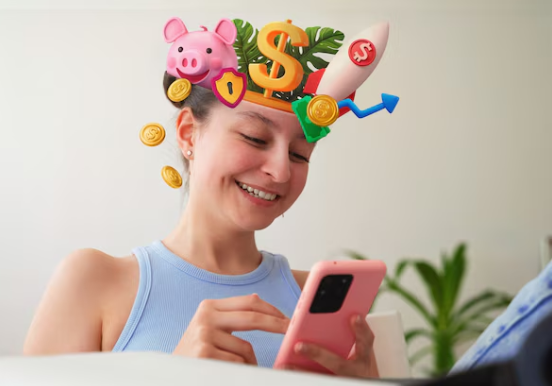
Bonus Culture Across Media
Bonus culture doesn’t just influence games or casinos. It appears in nearly every corner of digital life:
- Streaming services: Early access to new shows or exclusive features for subscribers.
- E-learning platforms: Certificates, badges, or bonus lessons for consistent learners.
- Retail apps: Discount codes and limited-time offers tied to engagement.
Each reward shapes behavior by creating a sense of progress. This makes people believe their time and attention are well spent. In the world of entertainment, this translates to longer subscriptions, repeat visits, and greater brand loyalty.
The Benefits and Drawbacks
Bonus culture carries promise and danger. Rewards spark motivation, give platforms an edge, and leave users satisfied. They shift people from passive watching to active involvement. Yet the same system can backfire. Poor design makes rewards feel manipulative, pushing unhealthy habits. What feels engaging one day may become exhausting the next. Striking balance between enjoyment and responsibility remains a hard, ongoing task in the psychology of rewards.

The Future of Digital Rewards
The future of online entertainment bonuses looks dynamic. Platforms will sharpen incentives, tailoring offers through data to fit personal habits. Gamification will not stay in games alone; it will bleed into learning, streaming, and even online shopping. Rewards will shift shape as technology advances. Picture claiming tokens for a VR concert, unlocking digital collectibles via blockchain, or receiving AI-driven perks unique to your behavior. Bonus culture will not fade; it will adapt, surprise, and bind audiences tighter.
Conclusion
The psychology of rewards explains much about modern entertainment. Bonus culture, whether through online casino rewards, streaming extras, or app streaks, relies on the brain’s natural attraction to incentives. Digital rewards psychology shows that anticipation, unpredictability, and progress make experiences more engaging. As platforms compete for attention, the role of online entertainment bonuses will continue to grow. They not only shape how people consume media but also influence broader cultural habits. Understanding why rewards work is key to grasping the future of digital entertainment.