


The British public loves a raffle. For generations, the thrill of buying a small paper ticket in the hope of winning a prize has been a staple of community life. The practice has deep roots in British social history, stretching back much further than most people realise.
Queen Elizabeth I held England's first state lottery in 1569. She offered 400,000 tickets to fund harbour repairs and coastal defences, with prizes including plate, tapestries, and money. In the end the scheme was a flop, with fewer than 34,000 tickets actually sold. Carry on reading to see how this centuries-old idea has adapted to the modern world.
From Royal Bazaars to Village School Fetes
During the 1800s, the format truly became part of local communities. Philanthropic organisations that ran hospitals, orphanages, and schools relied heavily on raffles to fund their work. Women organised elaborate "fancy fairs" and charity bazaars that brought together people from all walks of life.
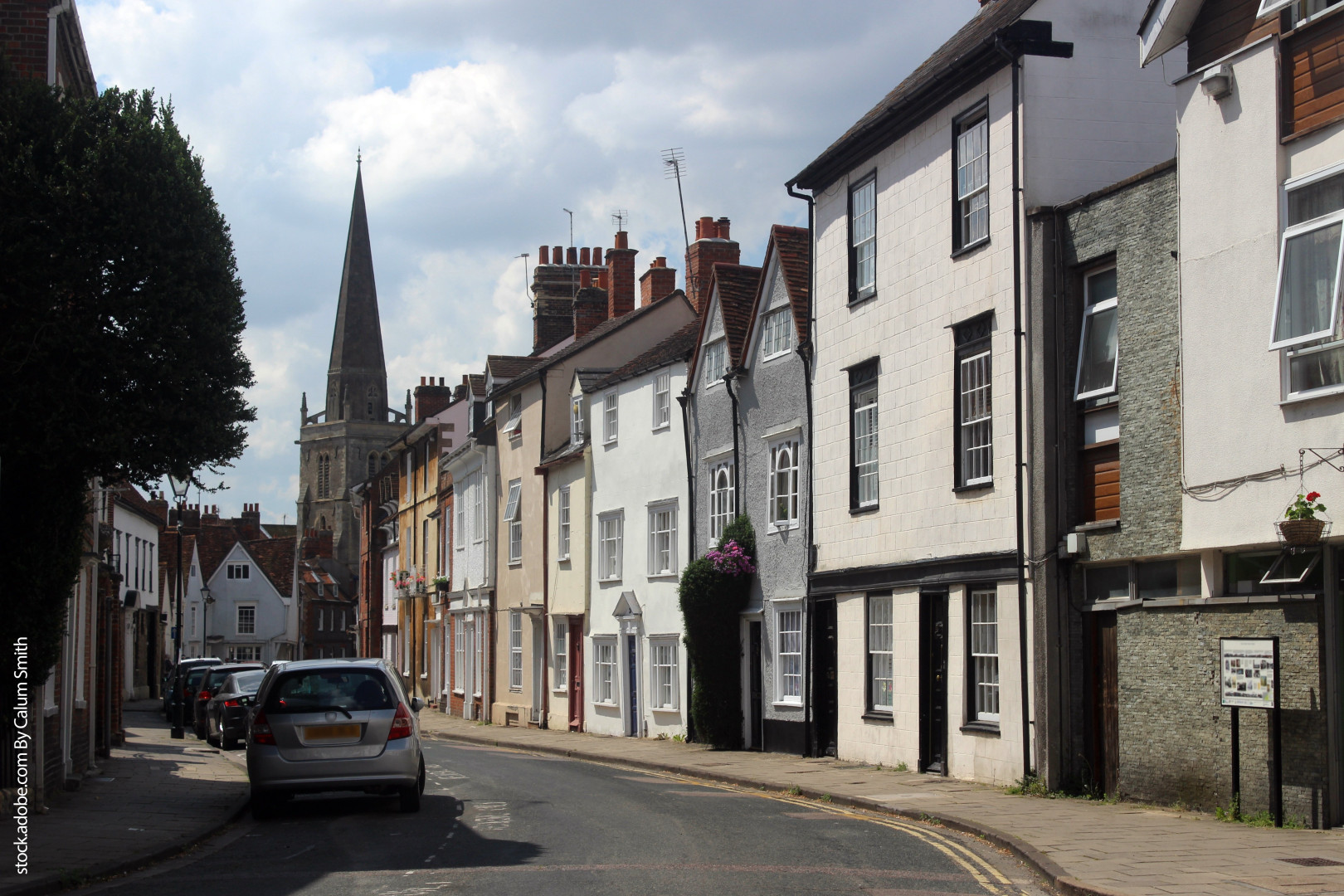
Across counties like Oxfordshire, local manor houses and parishes would have hosted these grand bazaars as highlights of the social calendar. They were highlights of the social calendar, drawing crowds who wanted to win crafted goods or imported textiles. This blend of entertainment and charity cemented the raffle's place in British culture.
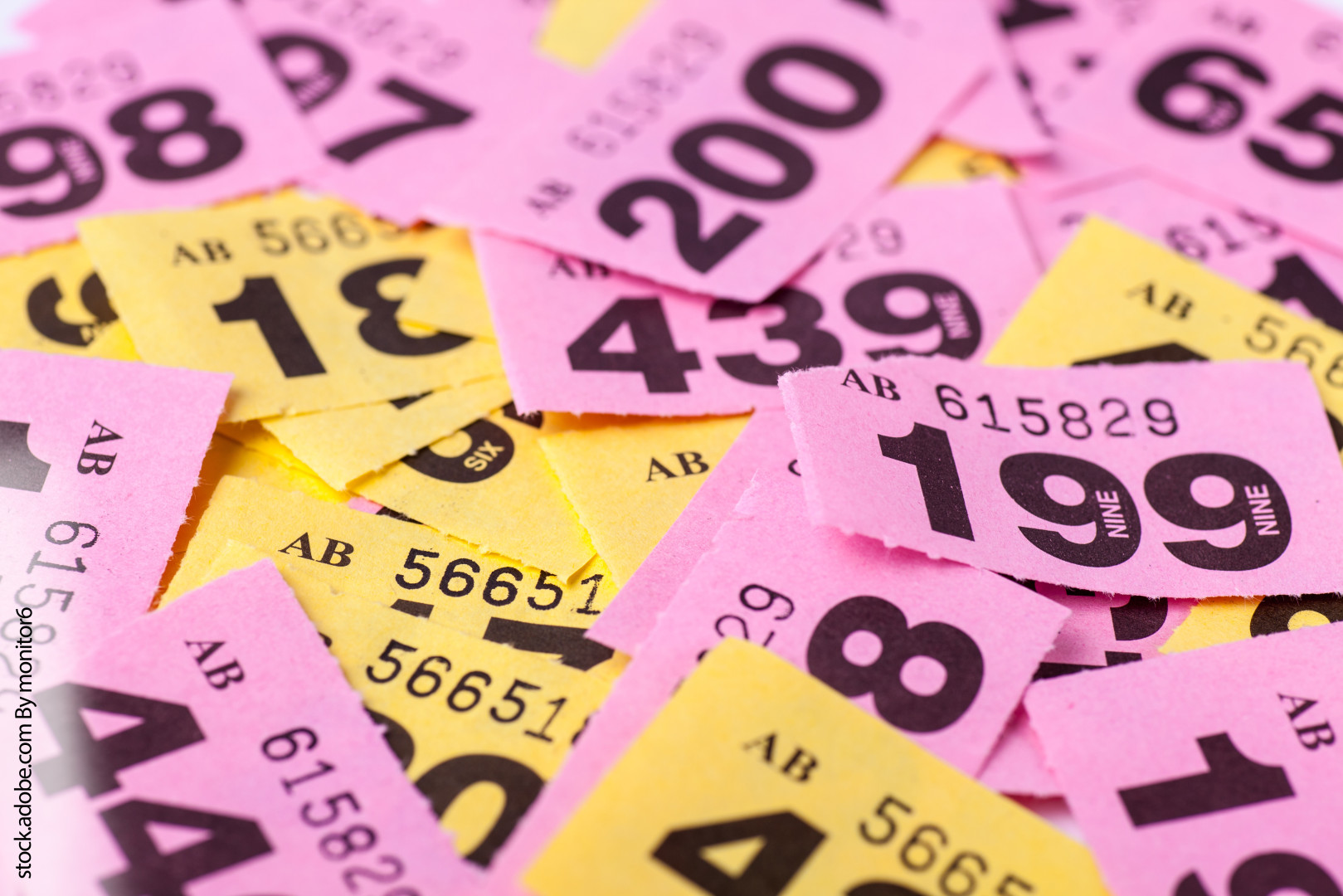
Over the years, the concept moved from grand Victorian halls towards village fetes and church tombolas. Almost everyone in Britain has a memory of waiting for their cloakroom ticket number to be called out. It became an affordable, easy way to support a school or a sports club.
How the Traditional Raffle Moved Online
The mechanics of the draw changed as the internet grew. Ticket buyers no longer rely on a torn slip from a cloakroom book at a church tombola stall. Today, instead, people can enter online prize competitions in the UK in an instant to win everything from tech gadgets to luxury cars.
The shift didn't happen overnight. It began with basic web pages and grew into sophisticated digital platforms. Today, people can browse prize options from their phones at any time of day, making the whole thing far more accessible.
It's worth pointing out that many modern platforms still keep a strong charity partnership model. This echoes the spirit of those original Victorian bazaars, which keeps the traditional purpose alive. The scale of these draws is much bigger than an old school fete, but the basic appeal is the same.
People enjoy the small stake and the clear chance of a win. Ticket caps fix the total odds from the start, which adds a clarity that older formats lacked. It gives people an immediate sense of their chances before they spend any money.
Compliance and Consumer Protection
As the digital prize industry grew, the legal framework had to catch up. Modern capped-entry prize draws sit outside the Gambling Act 2005, so they don't need a Gambling Commission licence. They still have to follow consumer law and the advertising rules set by the ASA. This separates them from standard lotteries and commercial betting.
To stay within the law, these operators must offer a free postal entry route. This free route is what keeps the draw on the right side of the law and stops it from being treated as an illegal lottery. It's a crucial distinction for keeping consumer trust across the industry.
The 2025 Voluntary Code of Good Practice for prize draw operators is clear evidence of this professional shift. Published by the DCMS, it shows the sector formalising in much the same way that charity lotteries did in previous decades. The code gives people extra confidence when they buy a ticket online.
Key Features of Modern Digital Draws
Here's what sets these online platforms apart from traditional local lotteries:
- Ticket limits cap the total number of entries before the draw starts.
- Guaranteed draw dates mean prizes are awarded regardless of how many tickets sell.
- Live streams let people watch the winning numbers get picked in real time.
- Free entry routes give everyone a chance to join without paying, typically via a standard postal application.
From Tombola Tickets to Touchscreens
The raffle has travelled a long path from Elizabethan harbours and Victorian charity bazaars to the smartphone screen. It remains a distinct thread through British social history, adapting to new technology without losing its community appeal.
While the prizes are now luxury cars instead of fine china, the core excitement is unchanged. The blend of modern consumer protection and digital access means this old tradition will stay popular for a very long time.