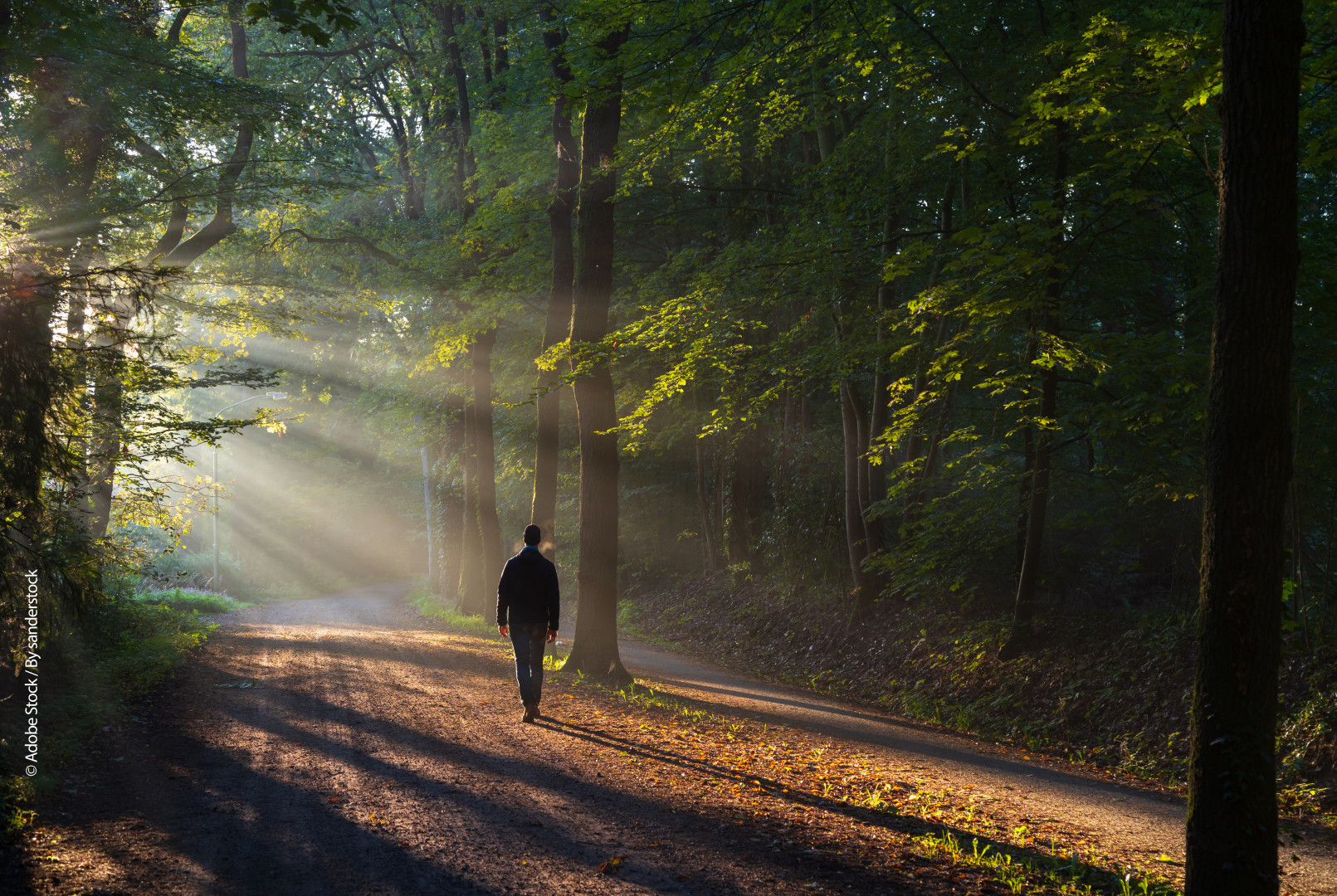




Life in the Cotswolds is often associated with rolling green hills, stone cottages, and peaceful countryside living. It is also a place where dogs play a central role in everyday life. Whether accompanying their owners on long rural walks or helping farmers manage livestock, dogs are deeply woven into the rhythms of the region.
But even in these timeless landscapes, technology is beginning to reshape how people care for their animals. A new trend is quietly emerging among countryside residents: the rise of the “digital shepherd.” This term reflects how modern pet owners are using connected technology to watch over their animals, combining traditional rural lifestyles with digital tools.
One of the most common examples is the use of a gps tracker for dogs, which allows owners to monitor their dog’s location across fields, woodland trails, and large rural properties.
For many residents in the Cotswolds, this technology offers a way to maintain the freedom dogs enjoy in the countryside while adding an extra layer of reassurance.
A Landscape Made for Roaming Dogs
The Cotswolds is one of the most picturesque areas in the United Kingdom, with miles of open land, ancient footpaths, and winding country lanes. These landscapes are perfect for dogs that love to roam and explore.
However, the same wide open terrain that makes the region so beautiful can also present challenges for dog owners. Large estates, farmland, and dense woodland make it easy for even well trained dogs to wander further than expected.
For working dogs and active pets alike, this freedom is part of the lifestyle. But it also means owners must stay vigilant when their animals disappear beyond hedgerows or across open fields.
Many rural communities are already embracing a mix of traditional land stewardship and modern innovation as they adapt to changing agricultural and environmental practices.
Technology that helps monitor animals is a natural extension of that shift.
Technology Meets Rural Tradition
At first glance, wearable technology may seem more at home in cities than in the countryside. Yet rural residents are increasingly adopting digital tools that make animal management easier.
GPS tracking is one example. By attaching a small device to a dog’s collar, owners can see their pet’s location in real time using a smartphone. If a dog strays beyond a safe boundary or disappears into a wooded area, the owner can quickly locate them.
For farmers and landowners managing large properties, this can be especially useful. Some working dogs cover significant distances throughout the day, helping herd livestock or patrol land. Digital tools allow owners to monitor their movements without interfering with the dog’s natural working patterns.
The Benefits of the “Digital Shepherd”
The concept of the digital shepherd is not about replacing traditional skills. Instead, it supports them.
Farmers, hikers, and countryside residents still rely on their experience and instincts when caring for animals. Technology simply adds another layer of awareness.
A GPS tracker can help quickly locate a dog that has chased wildlife, wandered into neighbouring land, or become lost on unfamiliar trails. It can also provide activity data that helps owners understand how much exercise their dog is getting during long days outdoors.
In rural regions where properties can span dozens or even hundreds of acres, these insights are especially valuable.
Balancing Freedom and Safety
One of the biggest challenges of countryside living is balancing a dog’s natural desire to explore with the need to keep them safe.
Dogs thrive when they have room to run, investigate scents, and move freely through their environment. At the same time, hazards such as livestock, roads, and unfamiliar terrain require careful supervision.
Technology like GPS tracking allows owners to offer their dogs more independence while still maintaining oversight.
In this sense, the digital shepherd does not replace the traditional relationship between humans and their dogs. It simply strengthens it.
A Modern Tool for an Ancient Landscape
The Cotswolds has always been a place where tradition meets quiet innovation. From historic farming methods to modern sustainable agriculture, the region continues to evolve while preserving its character.
The growing use of connected pet technology reflects that same balance. Dogs still run across hillsides, follow woodland paths, and work alongside their owners just as they always have.
The difference today is that a small device on a collar can help ensure they always find their way home.